
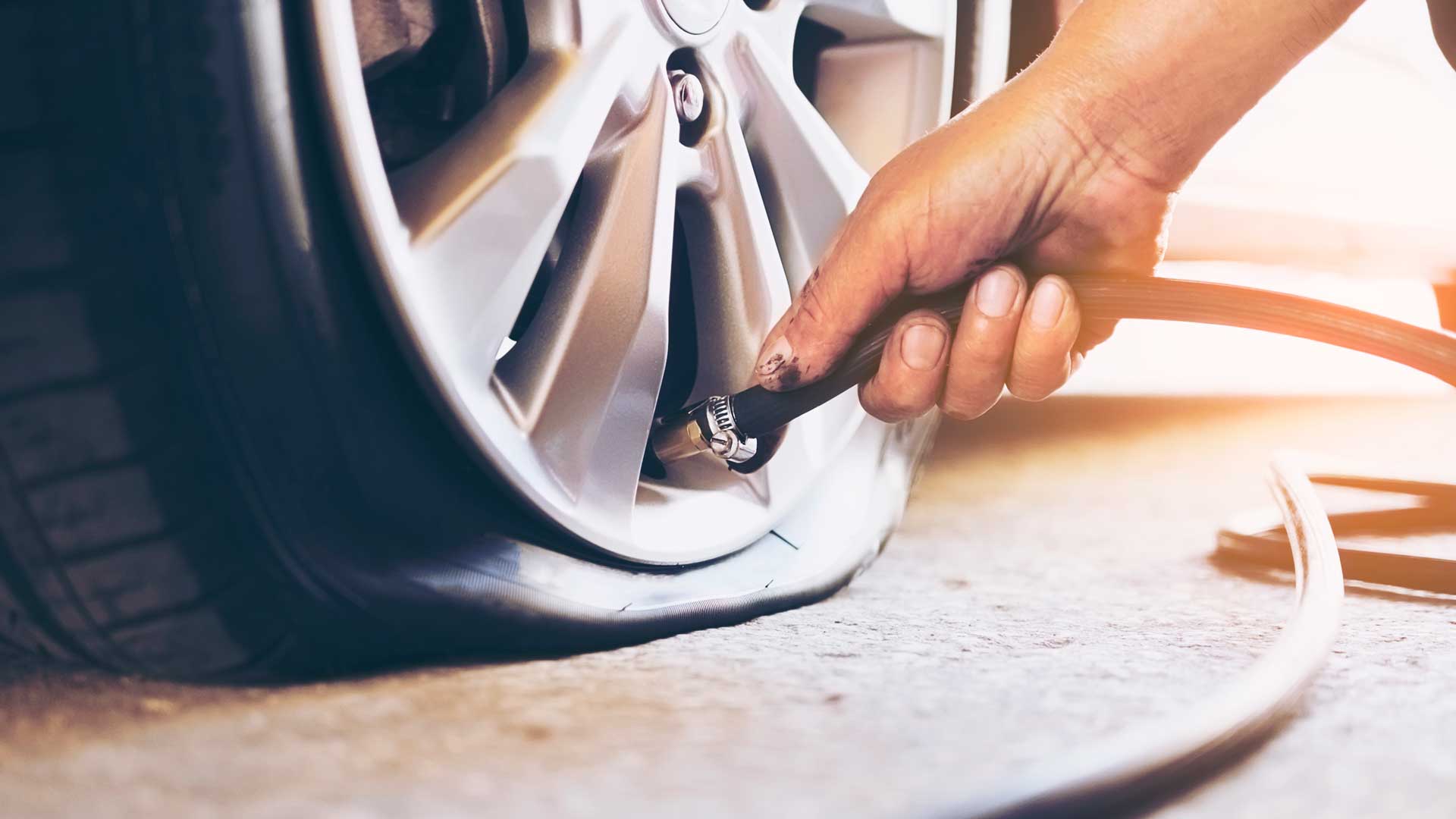
Under normal driving conditions, over-inflating your tyres can reduce grip, affect handling, and cause premature tyre wear. However, there are situations where increasing tyre pressure is recommended—most commonly when your vehicle is carrying a heavier-than-usual load.
How Do Heavy Loads Affect Tyres?
Extra weight places more stress on your tyres, causing them to compress. This can reduce the air volume inside the tyre, lowering its effective pressure and increasing the amount of flex in the sidewalls. To help support the additional weight, manufacturers often recommend slightly increasing tyre pressure.
You may need to do this if you’re travelling with a full car of passengers, carrying heavy luggage, or transporting bulky items. Driving with under-inflated tyres while carrying a heavy load can increase the risk of excessive heat build-up, rapid wear, poor handling, and, in severe cases, tyre failure or a blowout.
Maintaining the correct tyre pressure is essential for safe handling, vehicle stability, and fuel efficiency. Both under-inflated and overinflated tyres can wear unevenly and are more susceptible to damage. Once the extra load has been removed, remember to return your tyre pressures to the standard recommended setting.
How Much Should You Increase Tyre Pressure?
The correct tyre pressure varies depending on your vehicle’s make and model. Always refer to your vehicle handbook for the manufacturer’s recommended pressures, as these will usually include separate figures for normal driving and when carrying heavier loads.
You may also find the recommended tyre pressures on a sticker inside the driver’s door frame or inside the fuel filler flap. For the most accurate reading, check your tyre pressure when the tyres are cold. If you’ve recently been driving, allow the tyres to cool for a few hours before taking a reading, as heat generated during driving can temporarily increase tyre pressure.
It’s good practice to check your tyre pressures at least once a month and before setting off on any long journey.
What Happens If You Over-inflate Your Tyres?
Over-inflating your tyres for everyday driving can have a negative impact on both safety and tyre life. Excessive tyre pressure reduces the amount of tyre in contact with the road, which can affect braking performance, steering response, ride comfort, and overall grip.
Overinflated tyres also tend to wear more quickly through the centre of the tread and are more vulnerable to damage from potholes and road imperfections. In extreme cases, excessive pressure can increase the risk of tyre failure. For this reason, tyre pressures should only be increased when recommended by the vehicle manufacturer, such as when carrying heavier loads, and should be returned to normal once the load has been removed.
Keep Your Tyres in Top Condition
Maintaining the correct tyre pressure is one of the simplest ways to improve safety, extend tyre life, and maximise fuel efficiency. Regular pressure checks help ensure your tyres perform as intended in all driving conditions.
If you’re unsure whether your tyres are correctly inflated or would like them inspected, book a free tyre check with a qualified technician, who can assess their condition and make sure they’re safe for the road.
CALL TODAY!
Looking for Tyre Fitting in Swansea?